For nearly thirty-five years, I have been gathering material connected to Steve Coleman’s music. Steve Coleman Archives grows out of that long commitment: preserving performances, photographs and documents, and giving them the context that makes them meaningful.
By Dimitri Louis
It began with listening
Long before there was a website, there was a growing collection.
The starting point was an interest in Steve Coleman’s music that continued from one performance and recording to the next. Over time, gathering material became a sustained effort to keep track of a musical world that was always changing.
A released album gives us one perspective on that world. Concert recordings allow us to follow it differently: through successive ensembles, different settings and the choices made during a particular evening. Photographs and documents provide other pieces of the history.
The reason for keeping these materials is simple. Once a performance is over, much of what happened exists only in the memory of those who were there. A recording preserves something we can return to. A photograph locates that experience in a room, among people, at a particular moment.
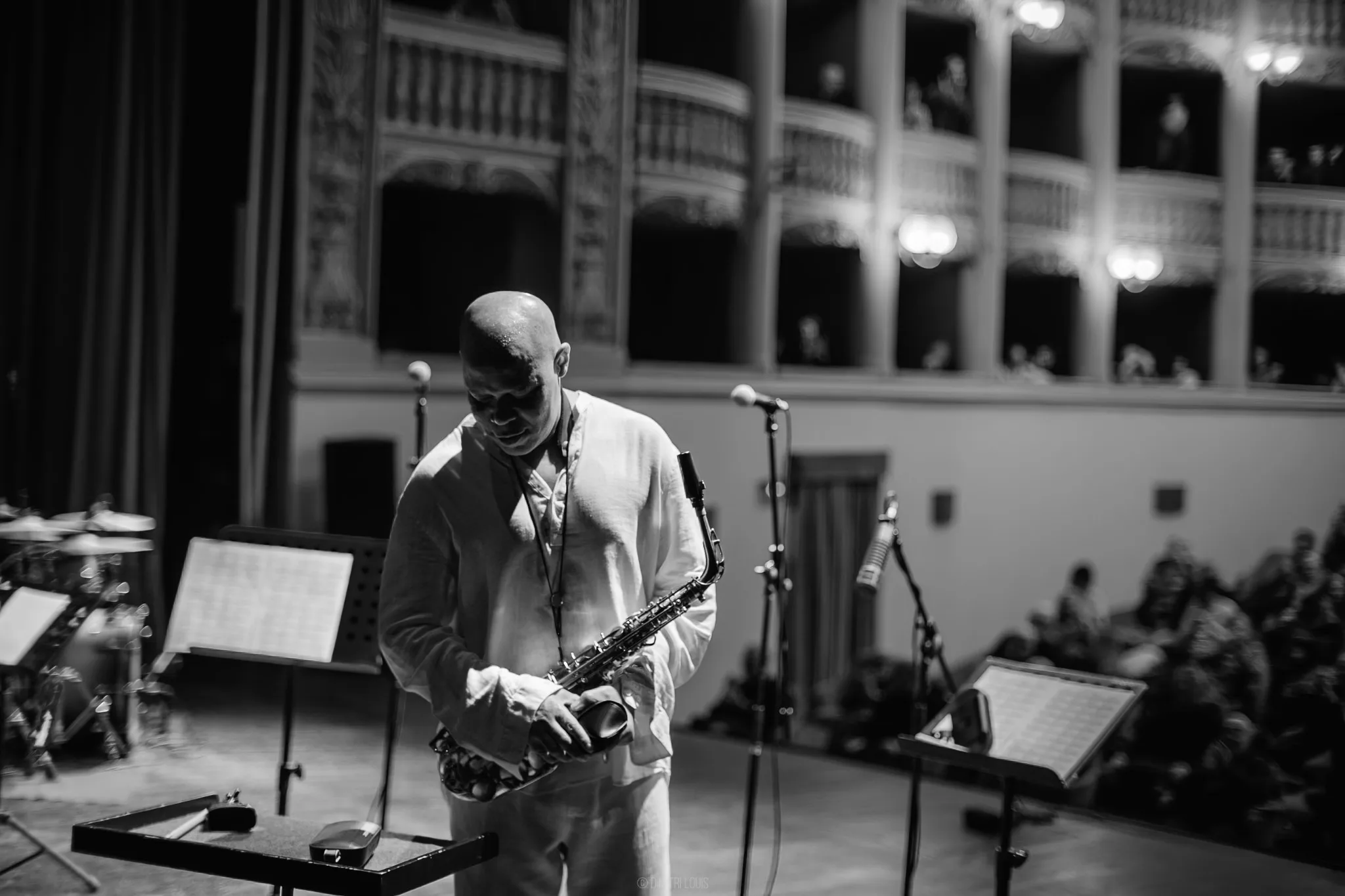
Since 2003: documenting from inside the journey
In spring 2003, I began working with Steve as his tour manager. Alongside the practical responsibilities of touring, I developed my work as a photographer, videographer and archivist.
That position brought me close to the circumstances surrounding the music. A concert belongs to a larger day: travel, arrival, preparation, soundcheck, conversations, performance and departure. The stage is central, but it is only one part of the record.
Over the years, I have documented tours through audio, video and photography. Recording methods have changed with the equipment available. Depending on the circumstances, audio from the sound desk and recordings made in the room offer complementary perspectives. Video preserves gestures and exchanges; photographs bring attention to an instant that might otherwise pass unnoticed.
The collection also extends beyond material I created myself. It includes concert recordings Steve has preserved from earlier periods of his career. Keeping the origin of each item clear is part of respecting the history it carries.
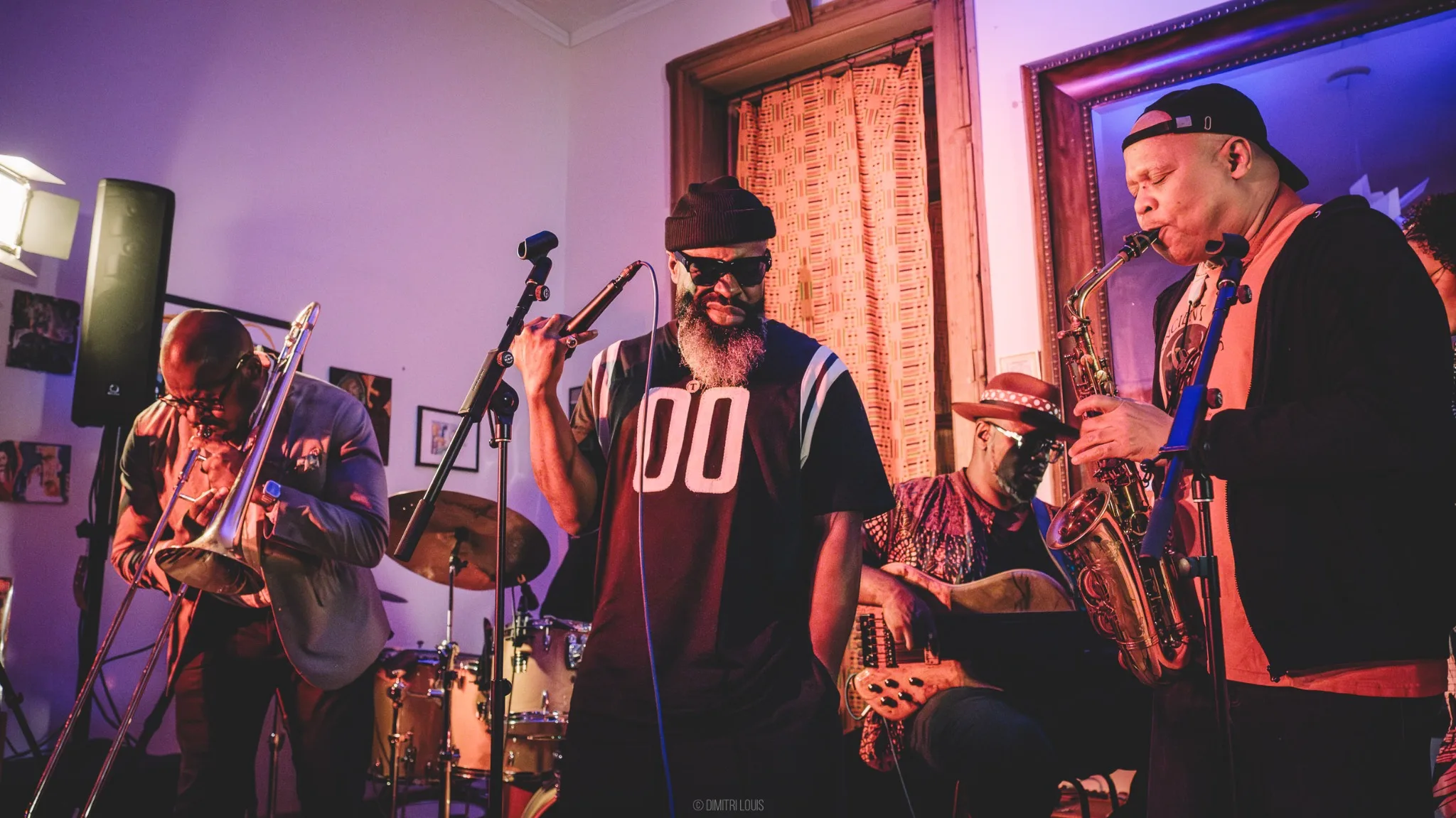
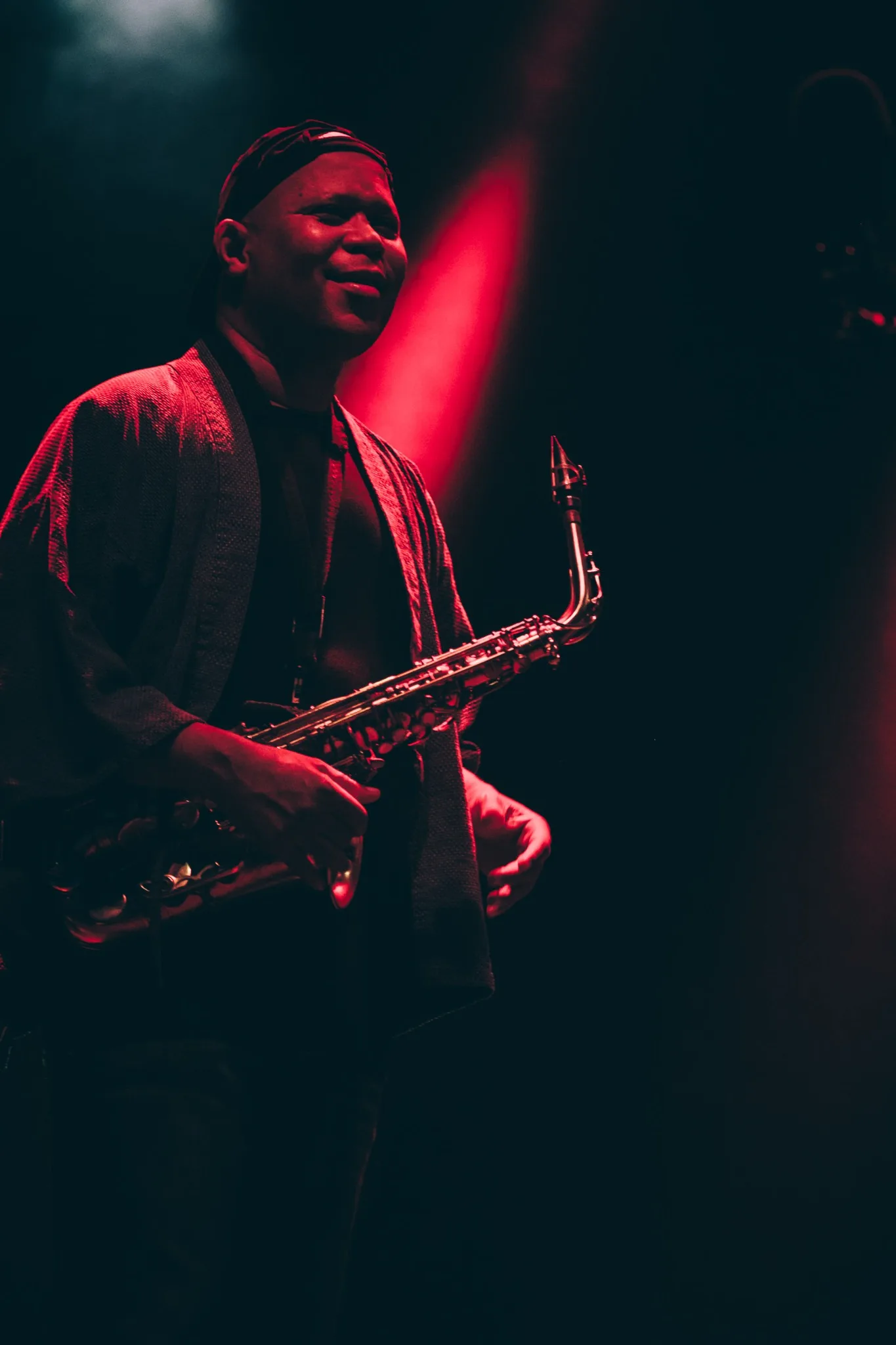
From files to relationships
Collecting material and making it usable are different kinds of work.
A filename may tell us very little. To understand a recording, we need to connect it to a date, a venue, a city, an ensemble and the musicians involved. We also need to distinguish the concert from the different recordings of it, and a complete performance from an individual track or excerpt.
That is the work behind Steve Coleman Archives. The database connects those pieces rather than leaving each photograph or recording isolated in a folder.
Those connections create practical ways to explore the music. We can return to a particular concert, follow an ensemble over time, or place a photograph beside the performance it documents. They also help us identify gaps: an uncertain date, an incomplete line-up, or a recording whose source still needs clarification.
An archive becomes more useful when it is honest about what it knows. Uncertain information should remain visible as uncertain until it can be checked.
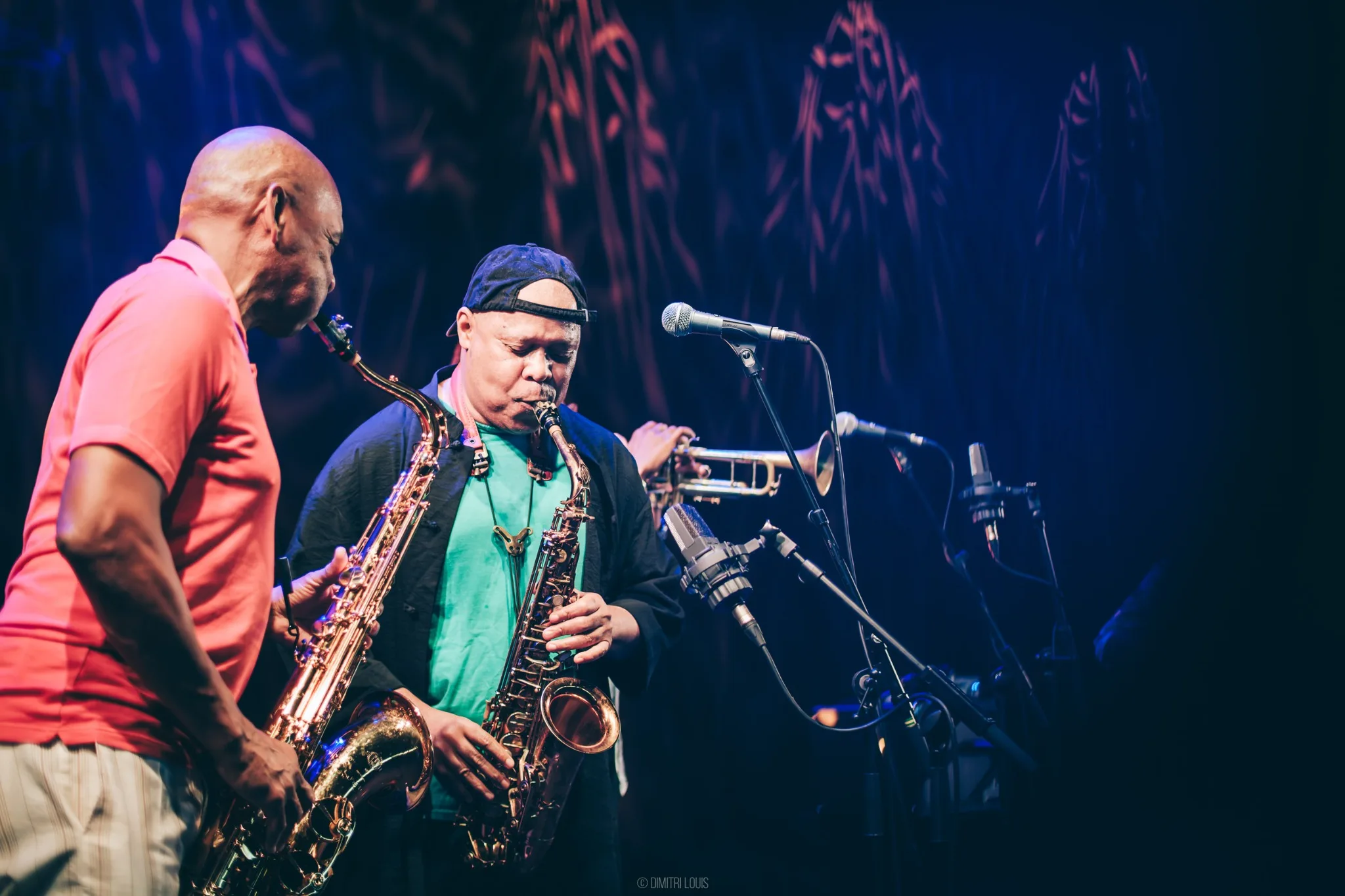
A project built over time
The ambition to make this collection searchable is not new. Earlier database work helped establish the project, but its development has included interruptions and rebuilding.
The current website is another step in that process. Its demonstration version contains only a small portion of the collection while I work on how records are entered, connected and explored.
The distinction matters: the online catalogue is still growing. It does not yet represent everything held in the archives, and preserving an item does not automatically mean making it publicly available. Each photograph, recording or document has its own context and conditions of use.
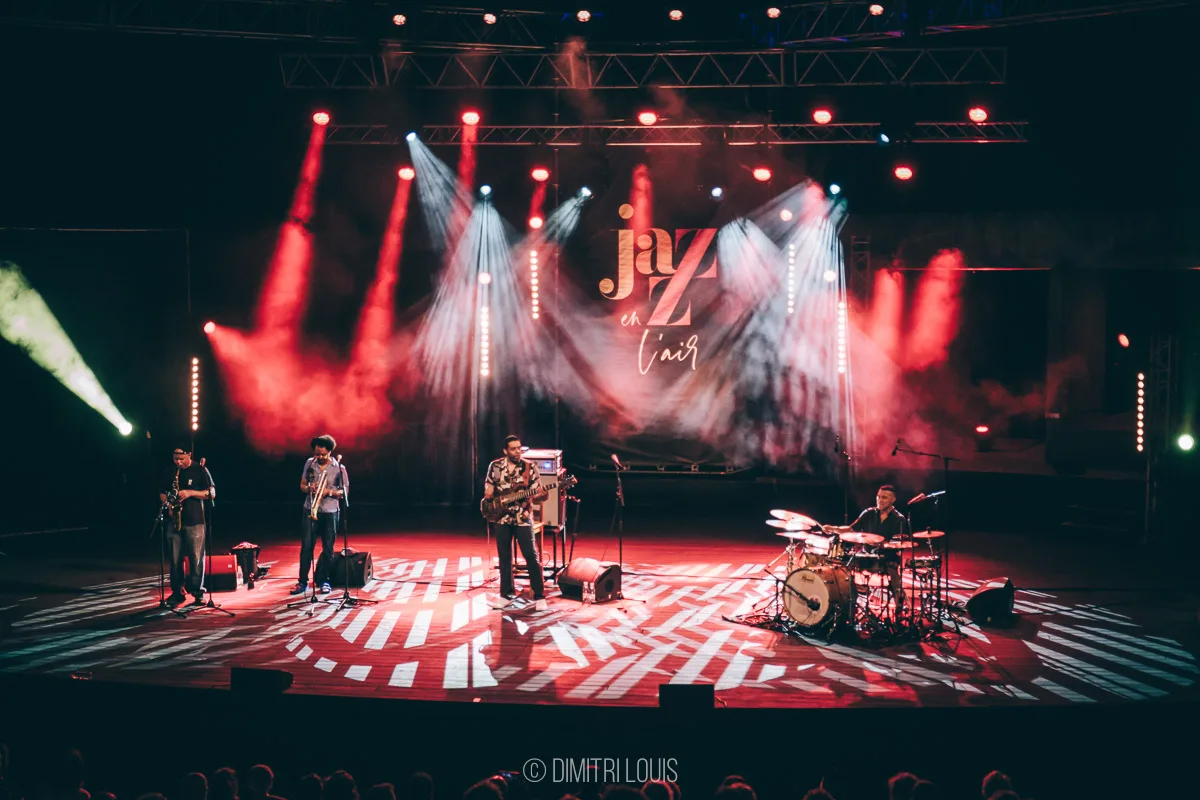
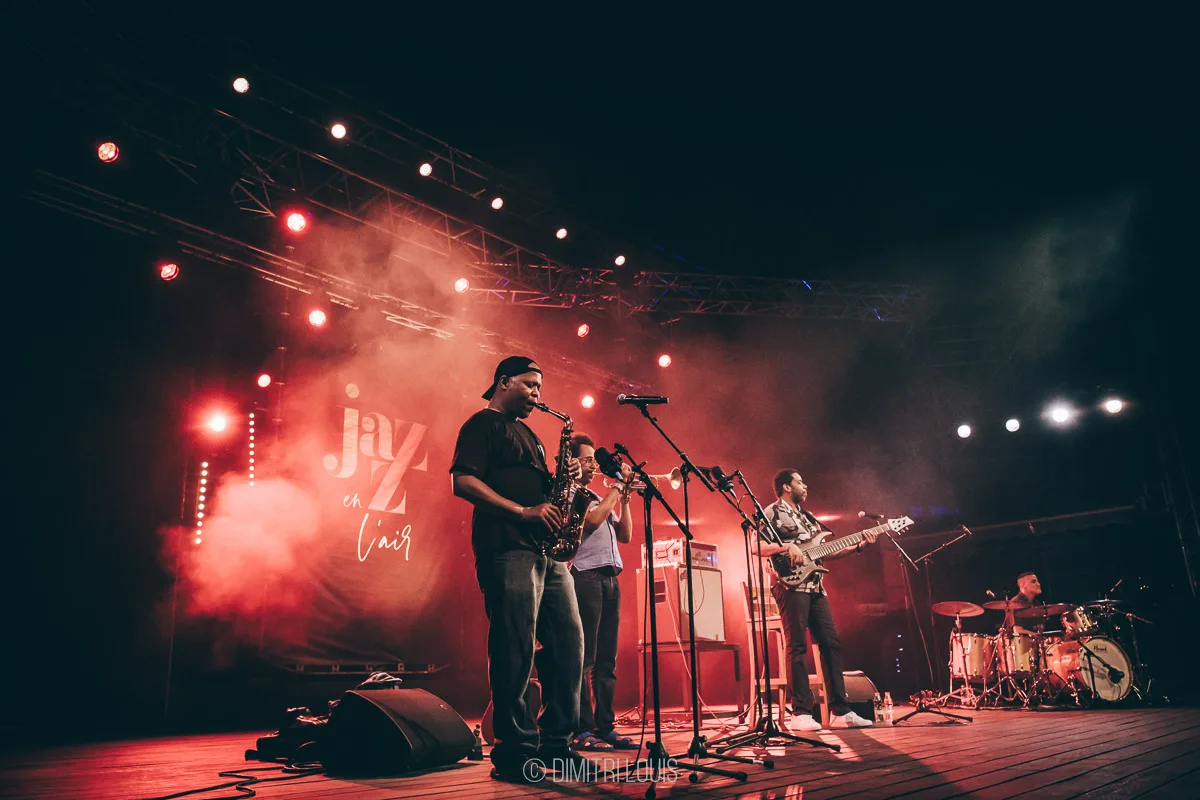
An archive that invites us back to the music
My aim is to make a long period of documentation easier to navigate without losing the particular character of each event.
The value lies in the relationships: between a concert and its recording, between the musicians on stage and the people around them, between an evening we remember and details we can discover again.
Nearly thirty-five years of collecting have brought this project to its present form. There is still a great deal to identify, organise and share. Steve Coleman Archives gives that work a place to continue—and gives listeners a way to follow it.
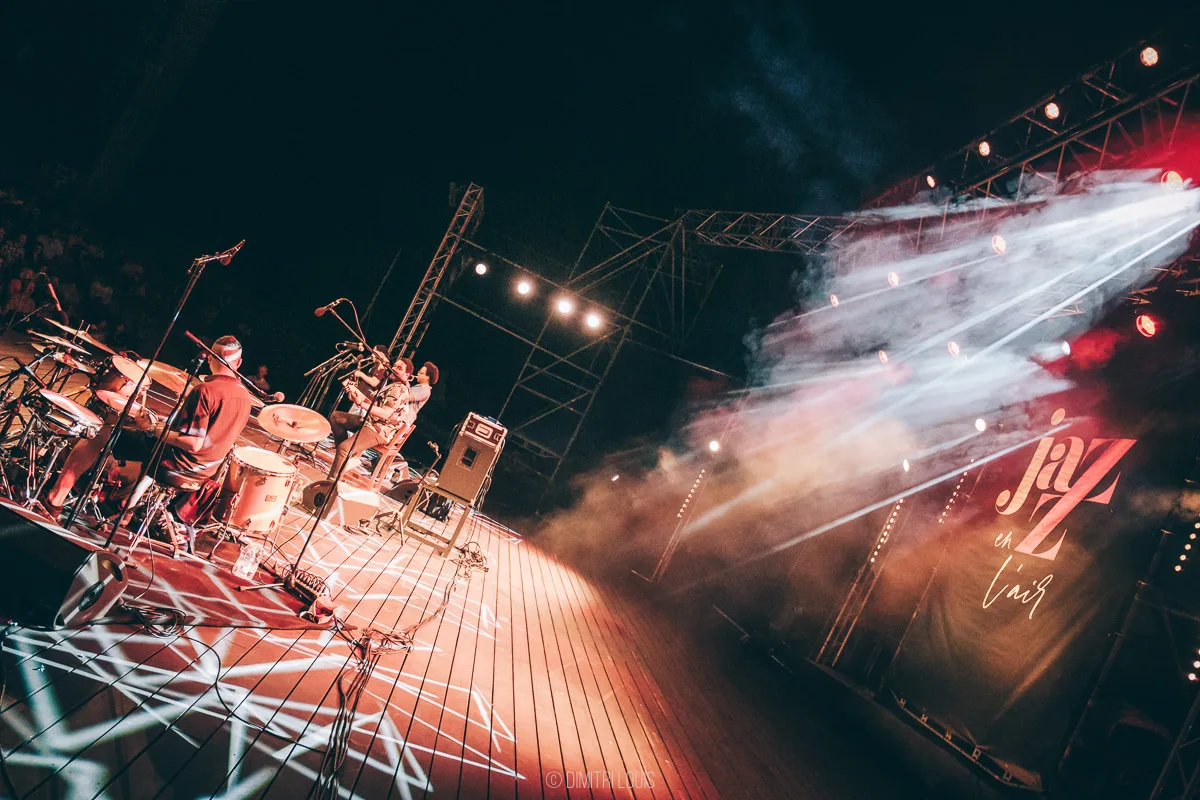
Prepared with AI assistance from Dimitri Louis’s account of his archival work.